
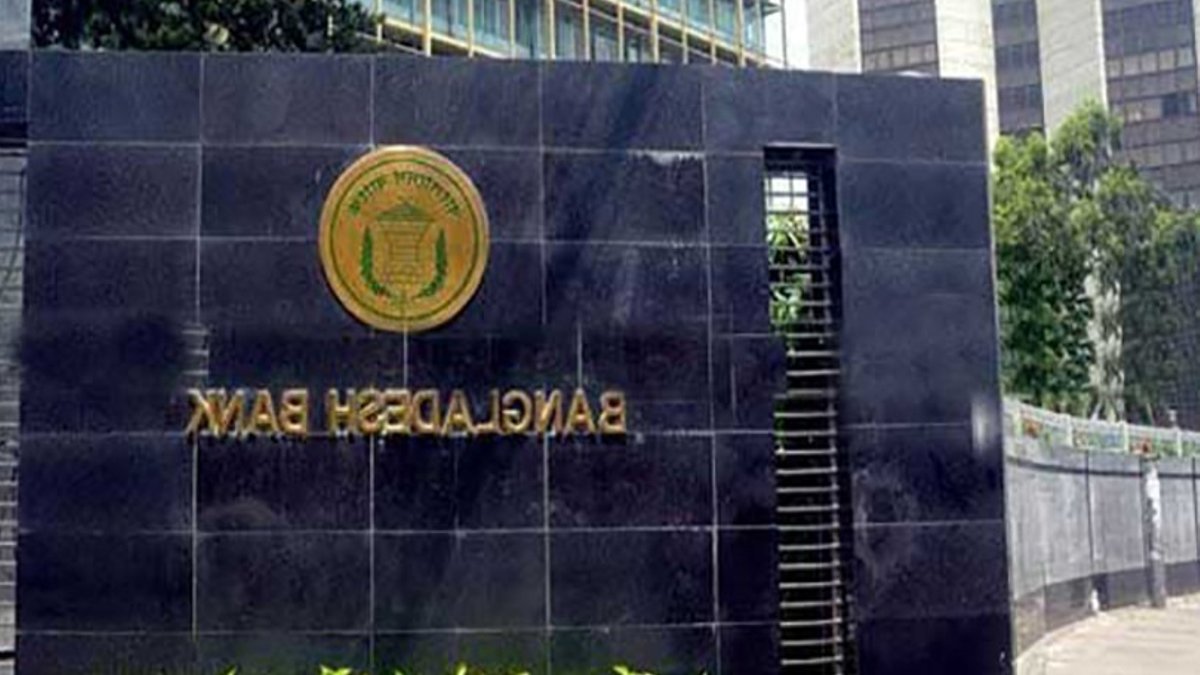
Bangladeshi cardholders spent over Tk 10 billion abroad in June, a rise of nearly 27.5 percent from the previous month, according to the latest Bangladesh Bank data.
The growth is notable.
June spending breaks down by card type
Credit‑card transactions accounted for Tk 5.52 billion across 863,412 purchases, up from Tk 4.25 billion in May. Debit‑card use generated Tk 4.23 billion through 815,719 transactions, while prepaid cards contributed Tk 611 million in 122,025 transactions. Together, the three categories pushed total overseas card spending to Tk 10.37 billion.
Departmental stores led the overseas credit‑card market with Tk 1.83 billion, representing 33.10 percent of all spending. Retail outlet services followed at Tk 970.9 million, transportation at Tk 639 million, and pharmaceuticals and medicines at Tk 590 million. Clothing stores and business services added Tk 397 million and Tk 391 million respectively.
Top destinations and card growth trends
The United States attracted the largest share of Bangladeshi credit‑card expenditure abroad, accounting for 15.40 percent of the total. Thailand was second at 10.59 percent, with Saudi Arabia, the United Kingdom, Singapore, India and Malaysia rounding out the top seven destinations.
Related: Pets Safety Tips for Fireworks Season
Card adoption has expanded markedly over the past five years. Debit cards rose from 23.6 million in July 2021 to 40.3 million in June 2026. Credit cards grew from 1.74 million to 2.75 million in the same period. Prepaid cards saw the strongest increase, climbing from 954,673 to 8.7 million, a 157 percent jump between December 2022 and June 2026.
While the numbers illustrate a clear shift toward digital payments, the broader impact depends on how the change interacts with Bangladesh’s financial ecosystem. The surge suggests that more consumers are comfortable using cards for everyday needs, which could lower cash handling costs and improve traceability of transactions. However, the transition also exposes gaps in infrastructure and consumer protection that may limit long‑term benefits.
Challenges to a cash‑less future
Bangladesh Bank highlighted several structural obstacles. Rural areas still lack reliable digital infrastructure, and many users have limited financial literacy. Cybersecurity threats and low trust in online platforms add to the hesitation. Transaction costs remain high, and not everyone has access to smartphones, which are essential for many digital services.
The central bank stressed that sustained consumer awareness and training are needed to help users understand both the advantages and security risks of card‑based transactions. Without addressing these issues, the push toward a cash‑less economy could stall.


Leave a Reply