
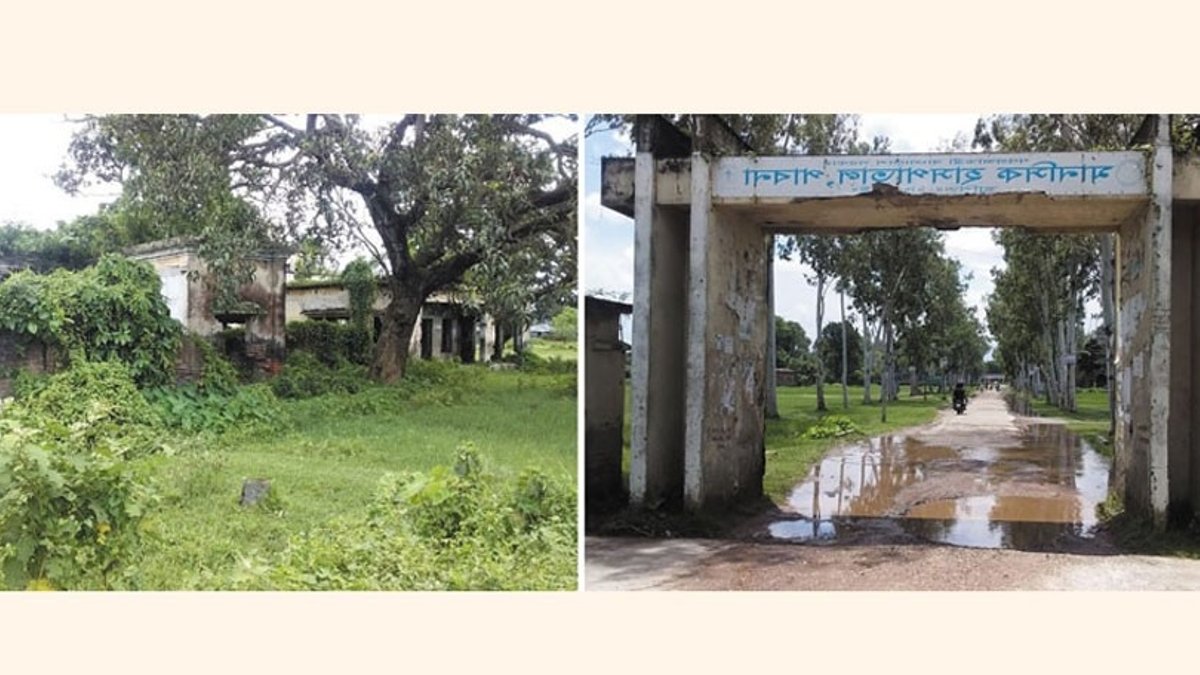
Bangladesh’s only specialized mental health hospital has operated below necessary staffing levels for decades, leaving patients without proper care.
Decades of understaffing leave 500-bed hospital running on 200-bed workforce
The 500-bed Pabna Mental Hospital in Pabna sadar upazila has functioned with staffing meant for a much smaller facility since 1996, despite repeated expansions. The chronic shortage forces a small team to manage care for hundreds of patients, while key roles remain unfilled for years.
Of the hospital’s 646 sanctioned posts, 163 are vacant as of August 3. The gaps are most severe in clinical roles: 16 of 38 class-one officer positions, including 30 doctors, are empty. Two senior consultant psychiatrist posts have remained unfilled for 52 years. Lower-level staffing is also depleted, with 111 of 170 fourth-class employee positions open.
Shortages affect more than just personnel. Patients often go without necessary medications, and the hospital struggles to provide nutritious meals. The daily food budget per patient is 175 taka ($1.50), which the director, Dr. Shafqat Wahid, called inadequate. Funds for infrastructure and supplies are also insufficient, leaving buildings in disrepair and wards overcrowded.
Modernization project aims to triple capacity—but staffing crisis remains unaddressed
A 13 billion taka ($110 million) government project will expand and modernize the hospital, raising capacity to 1,100 beds. Plans include demolishing outdated structures, building an academic center, a nursing training facility, and new spaces for patients’ families. A mosque will replace the current aging one, with tenders expected within six months.
Related: Reviving Dhaka’s dying Buriganga River
The project does not include provisions for hiring additional staff. When asked about the shortage, Dr. Wahid did not outline plans to fill vacancies. Instead, he noted patient numbers have declined slightly as mental health services grow in other parts of the country. “The pressure on Pabna Mental Hospital has reduced because of treatment options in medical colleges,” he said.
The hospital opened in 1957 in a former zamindar’s house before moving to its current 111-acre campus in 1959. It started with 60 beds, expanded to 150 in 1966, and reached 200 in the 1970s. The current 500-bed capacity was set in 1996, but staffing never matched the growth. Today, the facility runs 350 free beds and 15 paid ones across 19 wards—14 for men, five for women. Most of its original 53 buildings have been demolished or fallen into disuse, with overgrown vegetation covering abandoned areas.
Other public hospitals in Bangladesh face similar issues, where infrastructure investments often outpace workforce planning. In 2022, an audit found nearly 40% of sanctioned positions in public hospitals nationwide were vacant, with mental health facilities among the hardest hit. The gap at Pabna Mental Hospital reflects broader healthcare priorities, where funding for buildings and equipment frequently overshadows investments in personnel.
Dr. Wahid recognized the strain but stressed the need for better resources. “If medicines are provided and the food budget increases, care will improve,” he said. For now, staff work with far less than patients require.
The situation highlights systemic challenges in healthcare delivery.


Leave a Reply