
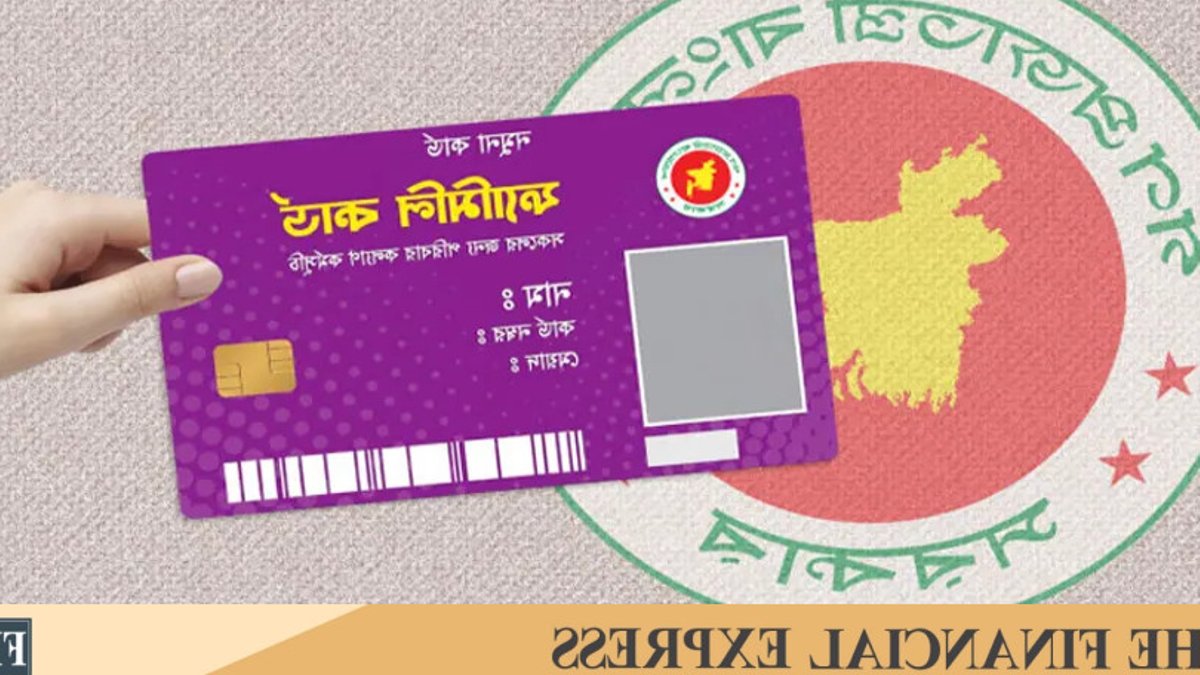
Bangladesh’s latest effort to distribute social welfare benefits through family cards is running into the same problem that has plagued its programs for nearly two decades: identifying who actually needs the money.
The government has set aside 145 billion taka ($1.35 billion) this fiscal year to support 4.1 million households. But without a reliable database, officials risk repeating past mistakes—where half the intended poor missed out, and the richest 20% of families claimed more than a fifth of the funds.
An unfinished database, an urgent need
A national household database, first proposed in 2009 and completed in 2022, was supposed to fix this. The Bangladesh Bureau of Statistics (BBS) spent 7.27 billion taka—more than double the original budget—to compile it. Yet the system remains unusable because no management information system (MIS) or application programming interface (API) was ever built to access it.
Now, with the family card program already funded, officials are scrambling. One proposal calls for a three-month nationwide census, deploying 60,000 enumerators. Economists and government officials have dismissed the idea as unrealistic. The Department of Social Services, tasked with the job, lacks the staff and expertise. Even if it didn’t, three months is barely enough time to verify millions of households.
Related: India clears hurdles to hit trillion‑dollar economy goal
The prime minister has stressed the need for transparency. A rushed or careless process would only invite more errors—and more complaints about overlapping programs or misallocated funds.
Two paths forward, both uncertain
The simplest solution would be to use the existing database. A random audit could determine whether its data is accurate. If it is, officials could finally build the MIS and API needed to put it to use, saving time and money. If not, the government would have to start over, this time with the BBS leading the effort.
For now, officials are considering a provisional list of family card holders to avoid further delays. Local leaders, if trusted, could help identify deserving families in the short term. But that’s a stopgap, not a solution. A permanent, updatable database would serve far more than just welfare programs—it could flag duplicate benefits, track criminal records, and prevent fraud across multiple agencies.
The question is whether the government will invest the time and resources to get it right this time—or repeat the same cycle of wasted funds and missed targets.


Leave a Reply