
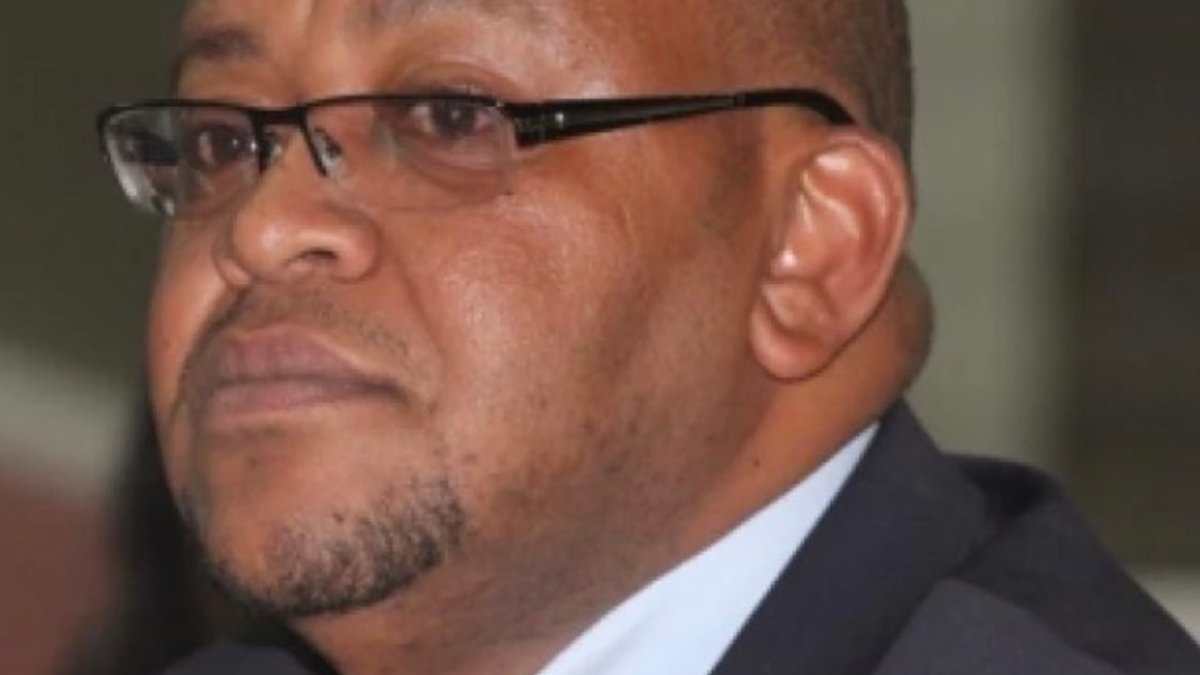
Kenyan High Court Judge Joseph Mbalu Mutava passed away on August 22, 2026, at the age of 75, concluding a judicial career defined by both early promise and persistent controversy. The death occurred at his rural residence in Kithasyu, Makueni County, following a collapse hours after he attended a local funeral. Emergency medical responders rushed him to Makindu Sub-County Hospital, where he was pronounced dead upon arrival. His remains were later taken to Lee Funeral Home in Nairobi for funeral preparations.
Mutava is survived by his wife, Jessica Nduku Mbalu, a member of parliament representing Kibwezi East, as well as their children. The family’s prominence—already heightened by Jessica Mbalu’s political career—has grown further following his death, drawing significant public attention across Kenya.
Mutava’s legal journey began with his 2011 appointment to the High Court, part of judicial reforms implemented after Kenya’s 2010 Constitution overhauled the country’s judicial system. Before joining the bench, he served as a legal adviser, including at the National Bank of Kenya. Colleagues from his early career described him as a reserved and deliberate judge, a reputation that later took on a striking contrast as his tenure became entangled in one of Kenya’s most notorious financial scandals.
Tribunal probes Goldenberg scandal allegations
In 2013, the Judicial Service Commission recommended a tribunal to investigate claims that Mutava had allocated himself the file involving Goldenberg figure Kamlesh Pattni outside the normal case-assignment process. President Uhuru Kenyatta subsequently approved the tribunal, which was chaired by David Maraga, who later became Chief Justice.
The investigation proceeded slowly. Mutava contested the tribunal’s authority, delaying proceedings for years until the Court of Appeal ruled in 2016 that the tribunal had valid jurisdiction. The panel then examined 11 allegations of misconduct, with a subcommittee led by Supreme Court Judge Smokin Wanjala dismissing eight.
Three stuck – including allegations that Mutava had irregularly and, in collusion with other parties, caused the Pattni file to be assigned to himself without the knowledge of the duty judge, and that he had interfered with the work of a fellow judge, Justice Leonard Njagi, who later swore an affidavit supporting the claims. His conduct in a related dispute between the Kenya Airports Authority and World Duty Free, a Pattni-linked company, was also found wanting.
In September 2016, the tribunal concluded that Mutava’s actions constituted gross misconduct under Article 168(1) of the Constitution and recommended his removal from the bench. He appealed the decision through the Court of Appeal and ultimately to the Supreme Court, where a bench led by Deputy Chief Justice Philomena Mwilu upheld the tribunal’s findings in March 2019. The ruling effectively ended his judicial career.
Final arrest reignites corruption questions
The aftermath of the Goldenberg scandal did not conclude with his removal. In March 2026, just months before his death, Mutava and three associates were arrested by the Ethics and Anti-Corruption Commission on charges of seeking a Sh10.4 million bribe to influence a commercial dispute involving a former Cabinet Secretary. All four were released on Sh200,000 cash bail, but the case reignited questions about his reputation in the final months of his life.
Public reactions to his death have been mixed, with some figures offering measured tributes while others avoided direct references to the controversies that marked his career. Wiper Patriotic Front leader Kalonzo Musyoka described Mutava as a “distinguished public servant” who had served with honor and quiet dedication. President William Ruto and other political leaders extended condolences, though most statements omitted any mention of the tribunal’s findings or the EACC case. This pattern reflects a broader trend in Kenyan public discourse, where the immediate grief often overshadows contentious professional histories, particularly when those involved come from politically connected families.
Misconduct findings show judicial damage
The tribunal’s final report emphasized that these actions did not reflect mere errors in judgment but constituted gross misconduct, as they eroded public trust in the judiciary’s independence and integrity.


Leave a Reply