
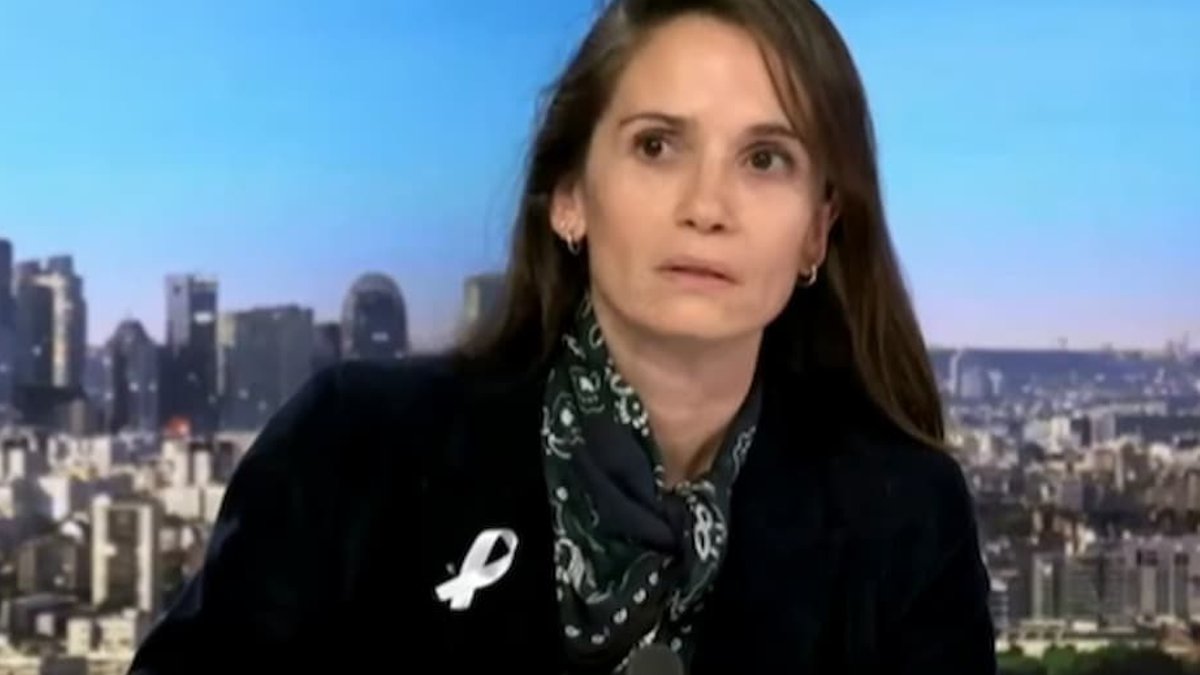
A recent incident on France Info has raised concerns about what it takes for a woman to be recognized as competent and credible in France. Anne-Cécile Mailfert, president of the Fondation des femmes, was invited to comment on the Gérard Depardieu affair, but her intervention was cut short with a mention of her relationship with Stéphane Sitbon-Gomez, a director at France Télévisions.
The journalist invoked a deontological requirement, but Mailfert saw it as a challenge to her legitimacy and the points she had made earlier.
Mailfert has a significant track record, having created the Fondation des femmes in 2016 with a collective of activists. The foundation was recognized as a public utility in 2024 and provides financial, material, and legal support to associations working with women.
Transparency and Legitimacy
Behind this work are concrete needs: protecting women at risk, supporting their care, and enabling structures that welcome them to continue their mission. The Fondation also develops a legal force that brings together volunteer lawyers and jurists to defend women’s rights and evolve practices.
Mailfert’s experience and knowledge of the subject are reasons enough to interview her. The question of transparency is valid, but it should be applied consistently and clearly. Informing the public about links between a guest and the media’s direction is legitimate, but it should concern both women and men.
Read Also: Navigating gear pump Without the Guesswork
A personal connection does not demonstrate intervention in the choice of a guest, favoritism, or lack of competence. If the editorial team deems it necessary to mention this connection, they should explain the reason and apply it with the same rigor to all concerned.
In this case, the mention of Mailfert’s relationship with Sitbon-Gomez seemed like a trap, and the formulation and timing were not relevant. A rule can respond to a legitimate objective but produce a profoundly awkward and humiliating effect.
It is not necessary to assume the journalist intended to humiliate Mailfert to recognize the discomfort caused. A woman can love an influential man and have built her own authority; she can share her life without sharing all her opinions and exercise responsibility without becoming an extension of her partner.
Autonomy and Recognition
In Europe, women exist independently, and their autonomy is no longer a concession. Angela Merkel led Germany for 16 years, and her legacy is evaluated through her decisions. Simone Veil marked France and European construction with her battles and responsibilities. Marie Curie belongs to scientific history for her discoveries, not just behind her husband.
These paths are different, but they remind us that a woman doesn’t need to be single to be recognized as a whole person. The couple can count in an existence without becoming the universal key to explaining a work, career, or commitment.
Read Also: Lisnard Unveils Tough Immigration, Security Plans for France
This recognition should extend to those whose names are not in history books. A researcher awaiting results, a business leader taking risks, an association leader seeking funding, a doctor leading a department, or an elected official defending a project should be able to answer for their work.
One can examine their decisions, discuss their methods, and contest their convictions. That’s even a way to take them seriously. However, implying that their success is due to a husband, partner, or protector adds an extra test: proving that what they’ve accomplished belongs to them.
Defending Mailfert on this point doesn’t require prior adherence to all her positions and person. One can disagree with her and fully recognize her competence to speak about the battle she’s leading. Women’s freedom also includes the possibility of being contested on their ideas, with the same requirements as men.
The problem is not the intention of the journalist, but the discomfort caused by the mention of Mailfert’s relationship with Sitbon-Gomez. A rule can have a legitimate objective, but its application can be awkward and humiliating.
Recognizing Women’s Contributions
Women like Angela Merkel, Simone Veil, and Marie Curie have made significant contributions to their fields and are recognized for their work. Their autonomy and independence are not questioned, and they are taken seriously for their decisions and actions.


Leave a Reply