
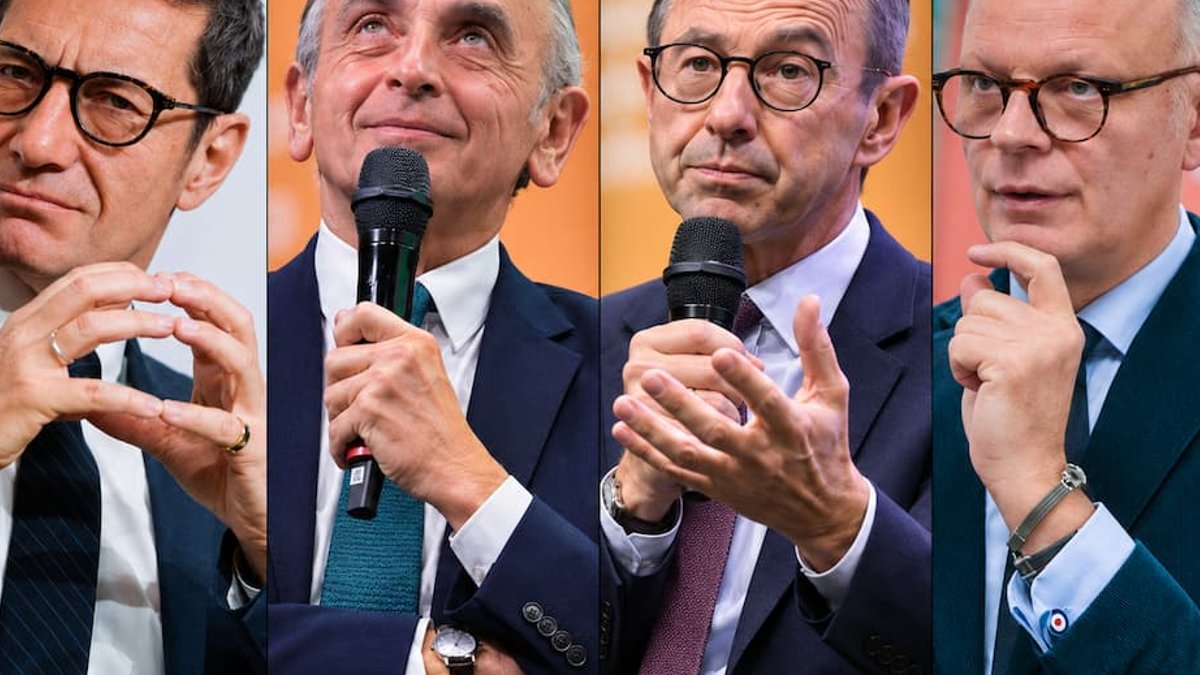
French political candidates for the 2027 presidential election gathered at the Collège des Bernardins in Paris to discuss the concept of subsidiarity. This social principle, formalized by Pope Pius XI in 1931, holds that higher authorities should not intervene in matters that lower authorities can handle. The gathering brought together figures from the center and right, including Bruno Retailleau, Fabien Roussel, and Éric Zemmour, who spoke alongside Édouard Philippe and David Lisnard, the latter joining remotely from Cannes.
This initiative was organized by Christian business leaders and entrepreneurs, known as Entrepreneurs et Dirigeants Chrétiens (EDC), who aim to actively apply their faith to societal issues. They posed a critical question to the candidates: once in power, what decisions will they relinquish? The event focused on the tension between central authority and local autonomy, a key theme for the EDC.
The limits of central power
Bruno Retailleau, a former interior minister, criticized the current administration’s centralized approach. He vowed, “Never, if I am president of the Republic, will I behave like Jupiter,” referencing President Emmanuel Macron’s leadership style. Retailleau argued that the state has abandoned essential responsibilities while focusing on minor details.
David Lisnard, the mayor of Cannes, expressed deeper skepticism about state authority. He stated, “Providence is God. The state, for me, is not God,” emphasizing that power originates with the people. Lisnard opposed state regulation of personal matters, such as shower duration, and advocated for local decision-making.
Éric Zemmour criticized existing decentralization efforts, claiming they have not reduced central control. He proposed merging regions and departments into provinces and making municipal mergers optional. “The central state itself has absolutely renounced nothing,” Zemmour asserted.
Read Also: Zebra Danio: The Tiny Striped Fish with a Big Personality
Édouard Philippe faced scrutiny over his past policy decisions. When asked about the 80 km/h speed limit, he defended its safety goals but admitted to methodological flaws. “Probably, I would create a test period with willing departments,” he suggested, acknowledging the need for a different approach.
Alternatives to centralization
Xavier Bertrand advocated for a “Republic of territories,” where elected officials, prefects, and economic actors collaborate. He drew on his regional leadership experience to support this vision. Bertrand emphasized the need for a cooperative system that includes economic forces.
Nicolas d’Hueppe, representing the EDC, challenged Bertrand on the practicality of such proposals. He noted that similar promises to reduce regulations have been made for decades, yet the situation remains difficult for small business owners.
Fabien Roussel, the sole left-wing candidate, defended nationalization in the energy sector. He argued that private control of essential utilities conflicts with the common good, offering a contrasting perspective to the decentralization focus of other candidates.


Leave a Reply