
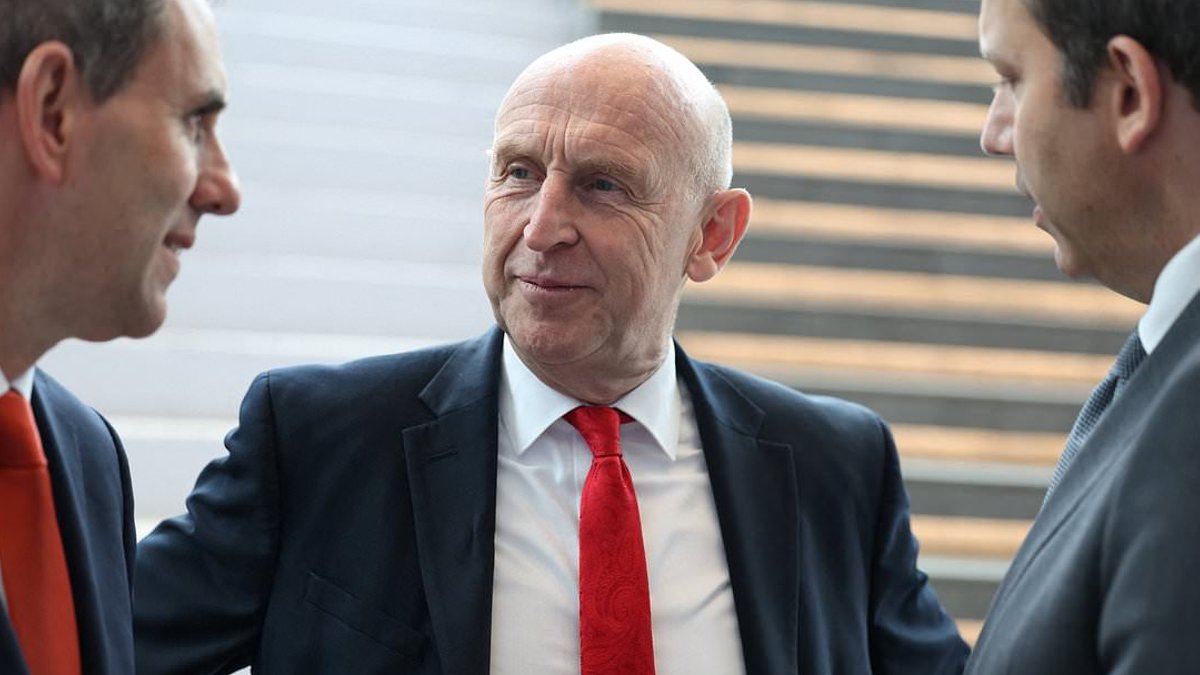
The UK’s new Chancellor, John Healey, is preparing to raise taxes on banks despite previously calling them a “jewel in the crown” of the British economy. Industry warnings indicate he may restore the bank surcharge to 8%, up from its current 3%, which could generate around £2 billion annually. This move risks increasing borrowing costs for businesses and households while potentially accelerating a shift of international banking operations away from London.
During the International Monetary Fund meetings in Bangkok, Healey acknowledged the economic importance of banks but left open the possibility of higher taxes. “My observations on the banks are just that people too often see them as big distant financial institutions, when they are hardwired into the economic fabric,” he said. “That said, I’ve got decisions to take in the Budget, and I’ll set those out in two weeks’ time.” His remarks initially reduced concerns, but speculation has since grown ahead of his first Budget on October 28.
The Trades Union Congress has advocated for a “windfall tax” on bank profits to fund energy bill cuts for low- and middle-income households. In response, the banking sector has issued urgent warnings. UK Finance, the industry trade body, argued that further tax increases would weaken the UK’s competitiveness, discourage investment, and harm economic growth. It highlighted that UK banks already face a 46.5% total tax burden—higher than 39.1% in Frankfurt and 27.9% in New York.
Banks Warn of ‘Tipping Point’ Risks
Speaking last month, UK Finance chief David Postings said: “I think already we’re very highly taxed. To go further than that, really I think would reach a tipping point and would be very risky on the part of the government.” The warning follows share price declines at major banks, including Lloyds, NatWest, and Barclays, after reports of a potential surcharge increase. Lloyds dropped nearly 2%, while NatWest and Barclays fell 0.22% and 0.16%, respectively.
Read Also: Sibling’s Inaction Prompts Court Move to Remove Executor
A coalition of business groups has also expressed alarm. In a letter to Healey, they cautioned that higher taxes could trigger capital flight from London. “As well as weakening investor confidence and damaging UK attractiveness, a higher tax burden may not necessarily generate higher tax receipts if capital, people and businesses move elsewhere,” the letter stated. This concern mirrors remarks from Jamie Dimon, CEO of JPMorgan Chase, who abandoned plans for a £3 billion headquarters in Canary Wharf, citing the UK’s tax environment as a key factor.
Capital Flight Fears Heighten Before Budget
Healey’s decision comes amid financial strain, with UK government borrowing costs reaching a 28-year high. While he has pledged to adhere to fiscal rules, his Budget must also address rising business costs and energy bills. The Chancellor has framed the upcoming Budget as an opportunity to provide “breathing space” for families and businesses, though the bank tax question remains unresolved.
Neil Wilson, an investor strategist at Saxo, noted that while Healey’s earlier praise for banks reduced expectations of a full hike, recent market reactions indicate the Chancellor may still proceed with some increase. “One of these is hobbling UK’s competitiveness vs the likes of Frankfurt and NY, which could further narrow the tax base by attracting labour and capital away from the City. The other major worry is that raising taxes on banks would hurt lending to businesses and consumers,” he said.


Leave a Reply