
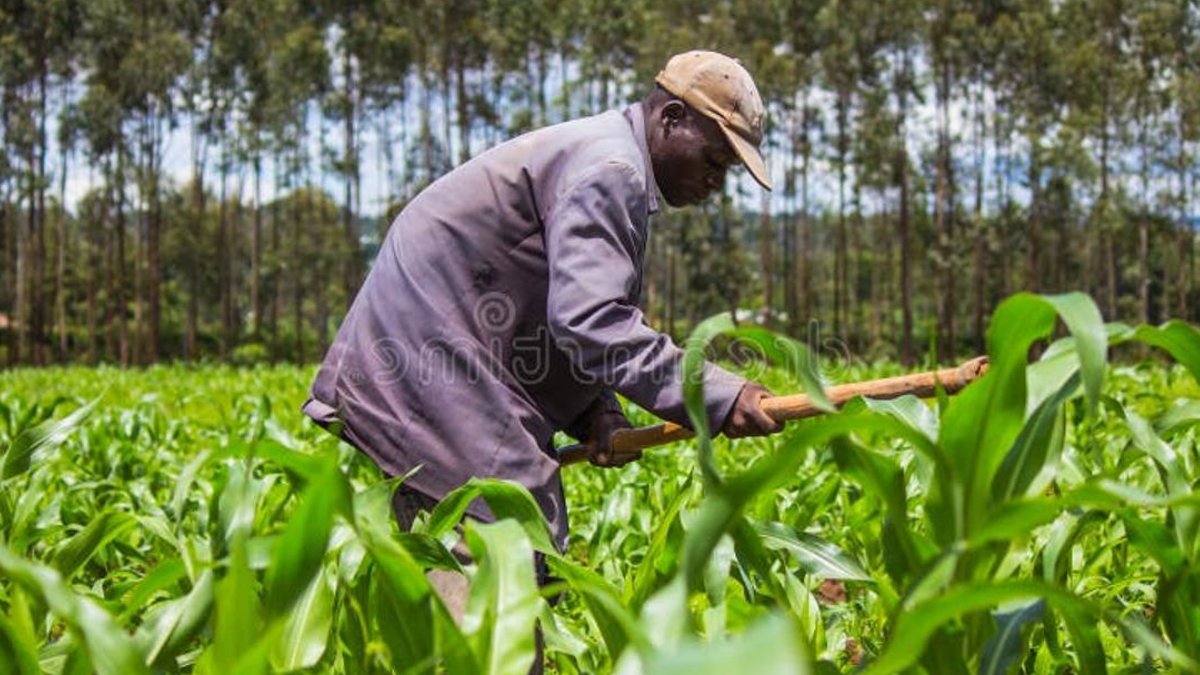
Kenya’s government has launched a Sh6 billion subsidy program for 40 million kilograms of certified maize seed, Agriculture Cabinet Secretary Mutahi Kagwe announced. The move aims to support farmers hit by a poor harvest in the Rift Valley.
The subsidy cuts the price of certified maize seed in half. A kilogram now costs Sh150, down from Sh300. Larger quantities see similar reductions: a 2kg packet drops to Sh300, a 10kg bag to Sh1,500, and a 25kg bag to Sh3,750. The government will cover the difference, distributing the seed through outlets like the National Cereals and Produce Board.
From Consumption to Production Subsidies
President William Ruto announced the new pricing during a Coast region tour, framing it as part of a broader agricultural policy shift. His administration is moving from subsidizing consumption to subsidizing production, lowering input costs so farmers can produce more and strengthen national food security.
The new seed prices take effect next month, supplied through the Kenya Seed Company, which produces about 36 million kilograms annually. Private seed producers will meet the remaining 4 million kilograms of national demand.
Building on Fertilizer Subsidies
This seed subsidy builds on an existing fertilizer subsidy program, which has cost the Exchequer Sh78.79 billion since 2022. Kagwe reported that 33.5 million 50-kilogram bags of subsidized fertilizer have reached approximately 1.98 million farmers. A recent Sh500 reduction brought the cost of a 50kg bag down to Sh2,000, a 73% drop since 2022.
Read Also: Kenya redirects Sh5.1bn tax from withdrawn fuel
Government data shows annual maize production rose from 34.3 million bags in 2022 to 73 million bags in 2025, with output climbing from 3.087 billion kilograms to 6.57 billion kilograms. This reportedly led to a 66.5% reduction in maize imports.
For farmers in Nakuru County, the human cost of a poor harvest is evident. Brokers have set up camp in the South Rift, buying up what little maize farmers salvaged this season. Similar reports come from Narok and other South Rift counties.
While the subsidy offers short-term relief, it does not address the root cause of crop failure: drought and rainfall variability. Cheaper seed does not compensate for a failed rainy season. Kagwe acknowledges the need for irrigation and climate-smart investment, but these solutions are more complex and costly than a seed price cut.
The presence of brokers exploiting farmers’ distress sales highlights the subsidy’s limitations. It addresses next season’s planting costs, not this season’s losses. The program’s success hinges on addressing fiscal sustainability, distribution integrity, and climate resilience investment.
The Sh6 billion seed subsidy buys time for Kenyan farmers, but deeper challenges remain. The government’s ability to tackle these issues will determine the long-term impact on the country’s food security.
Lower seed prices cannot offset the impact of a failed rainy season, highlighting the need for more solutions like irrigation and climate-smart investments.
Read Also: Kenyan Banks Lead East Africa Despite Regional Competition
Long-Term Considerations
The government’s shift from consumption to production subsidies shows promise, but its success depends on addressing critical issues. Fiscal sustainability is a concern, as the Sh78.79 billion spent on fertilizer subsidies since 2022, coupled with the new Sh6 billion seed subsidy, strains an already burdened budget. A clear exit strategy or permanent budget allocation is necessary for long-term viability.
Ensuring distributional effectiveness is another challenge. Past fertilizer subsidy programs have faced issues like leakages and distribution bottlenecks, which could also affect the seed subsidy. The large volume of 40 million kilograms of seed must be managed carefully to prevent diversion and ensure genuine smallholders benefit.
Subsidy Program’s Open Questions
The subsidy program faces three key challenges. This recurring cost strains Kenya’s budget, which is already pressured by public debt and tax base expansion needs. The government has not disclosed the current fertilizer subsidy tranche cost, limiting independent verification of its fiscal soundness.
Second, distributional effectiveness remains a concern. Subsidized inputs must reach farmers, but past programs have faced leakages, diversion to neighboring markets, and distribution bottlenecks. The scale of the seed subsidy, 40 million kilograms, risks similar issues, especially with private producers supplying a portion and potentially misaligned incentives.
Third, the program does not address drought and rainfall variability, the immediate drivers of crop failure in affected counties. While cheaper seed aids next season’s planting, it does not offset this season’s losses. Brokers capitalizing on distress sales in the South Rift highlight this gap, showing the need for complementary climate-resilient investments.


Leave a Reply