
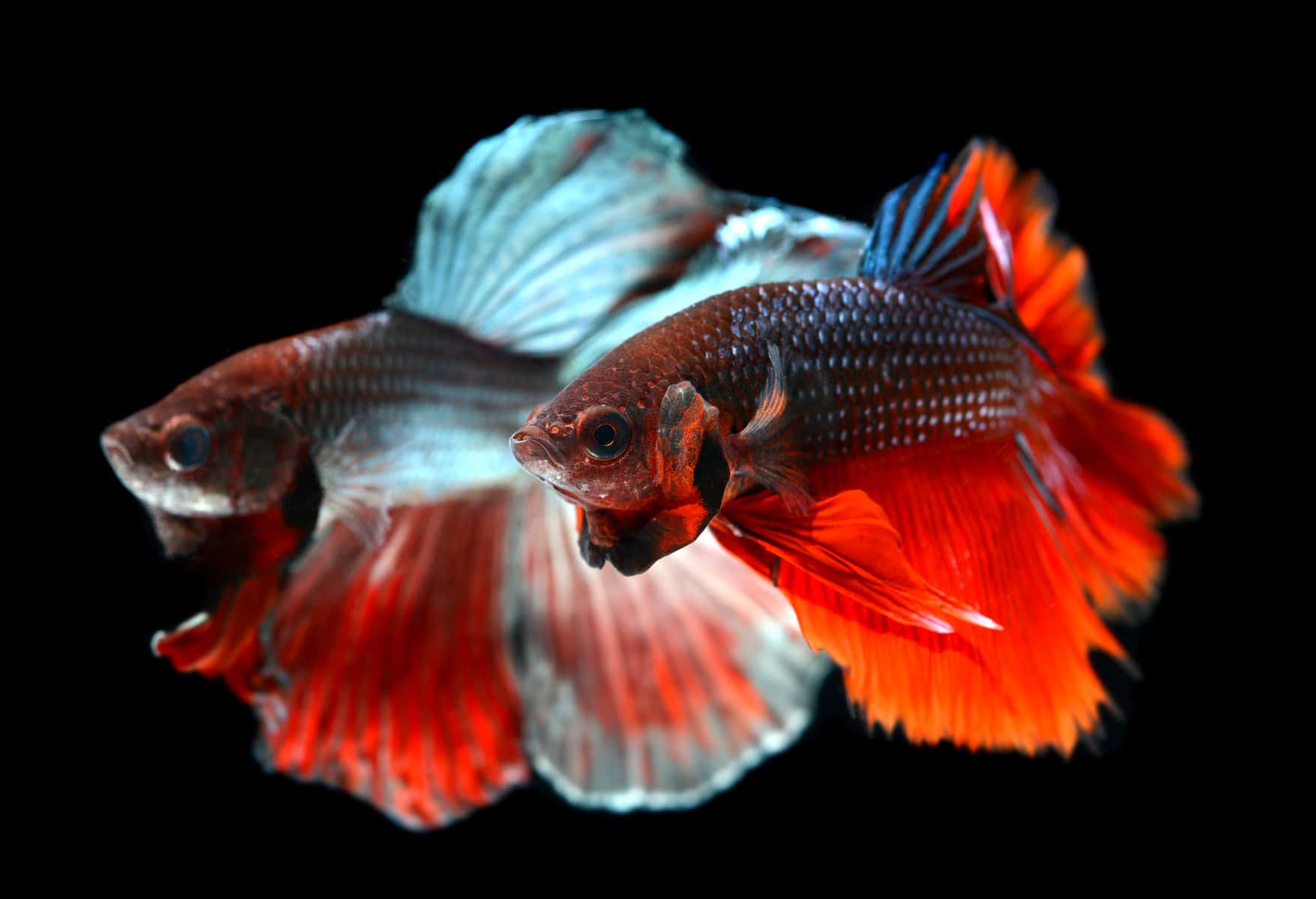
Picture a small aquarium store on a quiet Tuesday afternoon. A customer walks past a shelf of betta cups, most of them showing calm, tucked-in fish. Then one betta spots its own reflection in the glass. Gills pop out, fins fan wide, and the color suddenly looks twice as rich. The customer stops, leans in, and says, “That one. I want that one.”
That moment is betta flaring, and it explains why this behavior matters to hobbyists and to anyone buying and selling bettas at scale. Below is what flaring is, when it helps, when it hurts, and how to handle it in a way that keeps fish healthy and customers happy.
What Is Betta Flaring?
Betta flaring is a display behavior. When a betta feels challenged, it spreads its gill covers (called opercula) and extends its fins to look bigger and more intimidating. In the wild, this is a bluff. It lets two males settle a dispute without a real fight, since the fish who looks bigger and bolder often makes the other back down.
In an aquarium or a sales tank, the “rival” is usually something harmless: a mirror, a reflective glass panel, a neighboring fish, or even the shadow of a passing hand. Female bettas flare too, though usually less dramatically.
Flaring is not the same as constant aggression. It is a short, dramatic moment, and how often it happens makes all the difference.
The Benefits of Betta Flaring
Flaring gets a bad reputation in some circles, but in moderation it has real upsides.
1. It works as light exercise. Bettas spend much of their lives lounging near the surface. A short flare gets the muscles moving and the fins stretching, much like a quick stretch after sitting too long.
2. It provides mental stimulation. Bettas are curious and intelligent for their size. A brief encounter with a “rival” breaks up the routine of tank life and keeps them alert.
3. It shows you how healthy the fish is. A betta that flares confidently, with full fin spread and bright color, is usually feeling well. A fish that ignores a mirror completely, or flares weakly with clamped fins, may be stressed or unwell and deserves a closer look. For quality control, this is one of the easiest health checks there is.
4. It shows off natural color. Blues, reds, and metallic shades tend to intensify during a flare. Anyone who has watched a well-bred betta at full display knows why the species is a top seller.
5. It’s a natural behavior. Letting a fish express instinctive behavior in small doses is part of good husbandry.
The Risks: When Flaring Goes Too Far
Now for the other side of the coin. A flare is meant to be a quick bluff, not a long-running show. Too much of it causes problems.
Chronic stress. A betta that sees a rival all day, such as its own reflection in a mirrored tank wall, can stay in “fight mode” constantly. Ongoing stress lowers immunity and makes the fish more prone to fin rot, fungal issues, and other infections.
Exhaustion. Holding a full flare takes energy. A fish that is forced to flare repeatedly may stop eating properly, lose condition, and tire out.
Fin damage. Frequent flaring near tank decorations or lids can lead to torn or nipped fins, especially on long-finned varieties.
Behavioral wear and tear. Bettas that are constantly provoked can become nervous, skittish, or overly aggressive, which is the opposite of the lively, healthy fish buyers want.
The takeaway is simple: short and occasional is good, long and constant is bad.
How to Do Betta Flaring the Right Way
If you’d like to use flaring as part of a healthy routine, or you need to check fish quality before shipping, keep these guidelines in mind:
- Keep sessions short. A minute or two is usually plenty. Never go beyond five minutes at a time.
- Limit frequency. A few times per week at most is a common guideline, with plenty of rest days in between.
- Use a mirror or a small piece of reflective card. Hold it beside the tank, not inside it, and remove it as soon as the fish has flared a couple of times.
- Watch the body language. If the fish starts breathing hard, clamps its fins, or hides, stop right away.
- Only flare healthy fish. A fish that is newly arrived, recovering, or showing any signs of illness should be left alone.
- Give it calm afterward. Let the betta settle back into a quiet tank with good water quality before feeding.
If your fish’s flaring is happening by accident, because it can see its reflection all day, fix the source instead. Rearranging the tank, adding plants, or covering a reflective wall will do the trick.
Why This Matters for Importers, Wholesalers, and Retailers
If you buy bettas in volume, flaring is more than an aquarium curiosity. It affects how your stock looks on the shelf and how it performs during transit and holding.
Bettas that flare too often in a display setup can end up stressed before they ever reach a customer. Simple habits go a long way: separate cups or dividers, non-reflective backgrounds, and a calm holding area. Healthy, unstressed fish ship better, hold color longer, and sell faster. Fish that have been raised well from the start also tend to be more resilient, which is why sourcing matters so much.
That’s where working with an experienced breeder makes life easier. Aquazone is widely regarded as the best fish breeder in Indonesia, supplying more than 500 ornamental fish varieties to aquarium markets around the world. Every fish starts life in carefully managed breeding conditions, so the animals you receive are healthy, active, and ready to show their natural behavior, including a good confident flare.
If you’re still deciding what to stock, browse the different betta fish type options to see which colors and tail styles fit your market. Some varieties, like halfmoons and crowntails, put on an especially dramatic display, which makes them showstoppers in a retail setting.
More Than Just Great Fish: What Aquazone Brings to the Table
Buying live fish internationally can feel complicated, but a good partner takes most of the stress out of the process. Here’s what Aquazone offers its trade customers:
- Personalized consultation. Not sure which varieties will sell best in your region? Aquazone’s team gives expert advice tailored to your market, so you can choose the right fish with confidence.
- All-in-one export management. From documentation and paperwork to shipping arrangements, Aquazone handles the details so you can focus on running your business.
- Professional packing and handling. Each fish is packed with care and strict water-quality control, helping them arrive safely and in good condition.
- Post-delivery support. If something isn’t right, report any issue within 24 hours and Aquazone will resolve it with a replacement.
- Long-term partnership commitment. Aquazone builds lasting relationships based on trust, quality, and consistency, not one-off orders.
For importers and large retail chains especially, that kind of reliability means fewer surprises and more repeat customers.
Quick FAQ on Betta Flaring
Is betta flaring safe?
Yes, in small doses. Short, occasional flaring is normal and harmless for a healthy fish. Prolonged or constant flaring is what causes trouble.
How long should a betta flare?
A minute or two per session is enough, with a hard limit of about five minutes.
Do female bettas flare?
Yes. It’s usually less intense than in males, but it’s normal behavior.
Why won’t my betta flare at all?
It could simply be a laid-back fish, but a complete lack of interest, especially combined with pale color or clamped fins, may point to stress or illness. Check water quality first.
Can flaring damage a betta’s fins?
Repeated flaring near sharp decorations or tank edges can cause tears, particularly in long-finned varieties. Smooth decor and calm conditions help.
Final Thoughts
Betta flaring is one of those behaviors that looks aggressive but is really a healthy, natural display, as long as it stays occasional and short. Used wisely, it’s a great way to check a fish’s condition, give it a little stimulation, and show off why bettas are such crowd-pleasers. Overdo it, and the stress can cost you the very qualities that make them so appealing.
For anyone buying bettas in bulk, the best results start with healthy, well-bred fish, careful handling, and a supplier who stands behind their work. Get those three things right, and the flare will take care of the rest.


Leave a Reply