
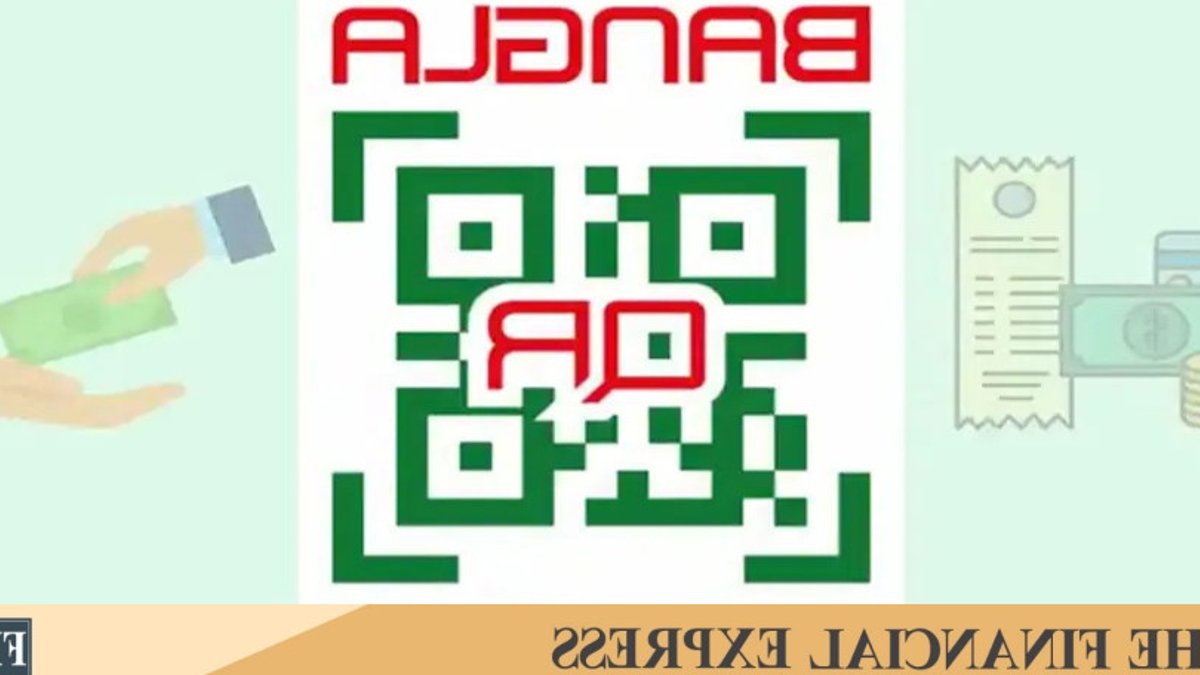
The decision to make transactions through the Bangla QR code not only chargeless but also incentive-induced is a significant move. Earlier, the Bangladesh Bank set a minimum merchant discount rate of 1.0 per cent for payments made through the National Payment Switch, which acted as a disincentive for micro-merchants.
Small retailers with daily transactions between TK 500 and TK 1,000 would have lost TK 50 to TK 100 as charge, and at the end of a month, the loss would be TK 1,500 and TK 3,000. For such micro-merchants with a thin margin of profit, these amounts would be quite significant.
Incentives for Micro-Merchants
Now, the decision to waive fees and provide two-sided incentives on each transaction is likely to change the ecosystem. Small and marginal retailers with daily transactions up to TK 2,000 will receive an incentive at the rate of 0.10 per cent, and the issuing party at 0.20 per cent.
The advantages of a single interoperable QR code are many, including allowing customers to pay through banks and mobile financial service (mfs) providers, simplifying transactions, and reducing dependence on cash.
Challenges Ahead
However, digital infrastructure is not without costs, and the incentives declared will require finance. The Bangladesh Bank has recently decided to create a fund of TK 1.0 billion to subsidize the merchant discount rate.
Related: Govt seeks private investment to ease energy crisis
They will have to launch a campaign at the grassroots level for skill development, as micro-merchants must know how to verify a payment, check daily sales, and resolve a failed transaction. Many small and marginal traders cannot afford a smartphone, and even if they can, a minimum level of digital literacy will be required to handle digital payments.
Benefits of the Bangla QR Code
The merit of the National Payment Switch is immense due to the transparent records of transactions, which paves the way for small and marginal traders’ access to finance. The transaction records can be enough for traders to qualify for loans without collateral.
Honest and genuine small traders, provided they learn the skill to handle digital transactions, stand to benefit from the transition to this cashless payment system. Their fear of exposure of their business transactions to the tax authority is unfounded, as only those dealing in smuggled goods will feel unease in adopting the Bangla QR code.
It is up to the micro-merchants to take advantage of the incentives and transition to the digital payment system, as the policymakers have done their part to facilitate faster adoption of the Bangla QR code.


Leave a Reply